
Exploring the realm of Smart Home Security Systems That Operate Without Wi-Fi, this introduction aims to shed light on the significance of alternative security solutions in the absence of internet connectivity. From challenges faced by homeowners to the benefits of non-Wi-Fi dependent systems, this overview sets the stage for a comprehensive discussion.
Smart Home Security Systems That Work Without Wi-Fi
Smart home security systems that can operate without Wi-Fi connectivity are becoming increasingly important in today's world. While Wi-Fi has become a common feature in many homes, there are still areas with unreliable or no Wi-Fi access. In such cases, having a security system that does not rely on Wi-Fi becomes crucial for ensuring the safety and protection of your home.
Challenges Faced by Homeowners
Homeowners in areas with poor or no Wi-Fi connectivity often face challenges when it comes to installing and using traditional smart home security systems. Without a stable Wi-Fi connection, these systems may not function properly, leaving gaps in home security and surveillance.
Benefits of Non-Wi-Fi Smart Home Security Systems
- Reliability: Security systems that do not depend on Wi-Fi are more reliable in areas with unstable or no internet connection.
- Accessibility: Homeowners can still monitor and control their security systems remotely through alternative means, such as cellular networks.
- Security: Non-Wi-Fi security systems provide a secure and encrypted connection, reducing the risk of hacking or cyber attacks.
Technologies for Wi-Fi-Free Security Systems
There are several technologies and solutions available that enable smart home security systems to function without Wi-Fi:
- Cellular Networks: Security systems can utilize cellular networks for communication, ensuring connectivity even without Wi-Fi.
- Z-Wave or Zigbee: These wireless protocols allow smart devices to communicate with each other without relying on Wi-Fi.
- Local Storage: Some security cameras offer local storage options, allowing footage to be stored directly on the device without the need for cloud storage or Wi-Fi.
Cellular-Based Security Systems
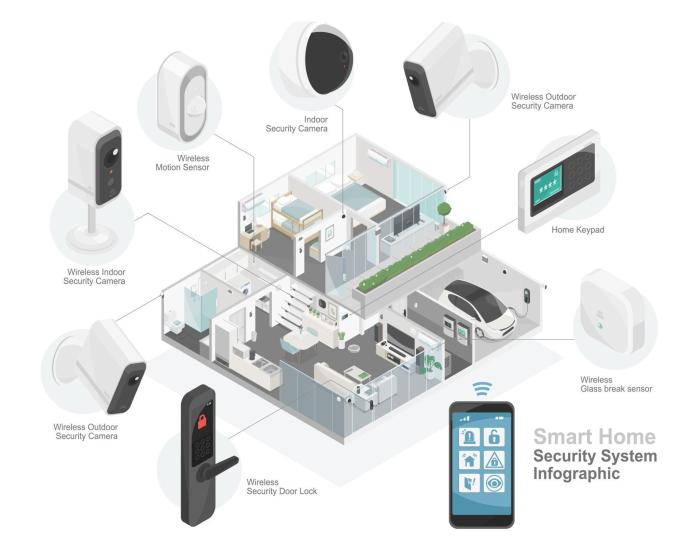
Cellular-based security systems operate using a cellular network, similar to how mobile phones connect to the internet. These systems do not rely on Wi-Fi for connectivity, making them more robust in areas with unreliable or no Wi-Fi coverage.Cellular-based security systems are known for their high reliability compared to Wi-Fi-dependent systems.
They are not susceptible to Wi-Fi signal interruptions, power outages, or network congestion, ensuring continuous protection for your home.
Reliability of Cellular-Based Systems vs. Wi-Fi-Dependent Systems
- Cellular-based systems are more reliable in terms of connectivity, as they are not affected by Wi-Fi signal issues.
- Wi-Fi-dependent systems are prone to interference, hacking, and signal dropouts, making them less reliable for home security.
- Cellular-based systems provide a more stable connection for real-time monitoring and alerts.
Cost Implications of Opting for a Cellular-Based Security System
- Cellular-based security systems may have a higher upfront cost compared to Wi-Fi-dependent systems due to the cellular network infrastructure.
- However, the long-term reliability and security benefits of cellular-based systems can outweigh the initial investment.
- Monthly monitoring fees for cellular-based systems may also be slightly higher, but they offer peace of mind knowing your home is always protected.
Limitations or Potential Drawbacks of Using a Cellular-Based Security System
- Cellular-based security systems require a cellular signal to function, so they may not be suitable for remote locations with poor cellular coverage.
- In rare cases, cellular networks may experience outages or disruptions, affecting the connectivity of the security system.
- Upgrading or changing cellular providers may require reactivation or reconfiguration of the security system, causing temporary downtime.
RF (Radio Frequency) Technology
RF technology plays a crucial role in smart home security systems, offering a reliable way to transmit signals wirelessly without the need for Wi-Fi or cellular connections.
Utilization of RF Technology in Smart Home Security Systems
RF technology in smart home security systems involves the use of radio waves to communicate between sensors, control panels, and other devices within the system. These radio signals are used to detect intrusions, monitor environmental conditions, and trigger alarms when necessary.
- RF signals are typically used to connect door/window sensors, motion detectors, and other components of the security system.
- These signals can travel through walls and obstacles, making RF-based systems suitable for various home layouts.
- RF technology allows for secure communication between devices, ensuring that the system remains reliable and tamper-proof.
Range and Coverage of RF-Based Security Systems
RF-based security systems offer a good range and coverage, with signals capable of reaching different parts of a home without the need for additional signal boosters or repeaters.
- Most RF-based systems can cover an average-sized home without signal degradation or interference.
- The range of RF signals can vary based on the specific frequency used and the construction of the home.
- RF technology provides reliable coverage even in larger homes or properties, making it a versatile option for homeowners.
Effectiveness of RF Technology in Different Home Environments
The effectiveness of RF technology in smart home security systems can vary depending on the layout and materials of the home environment.
- RF signals may face interference from electronic devices or metal structures within the home, affecting the overall performance of the security system.
- In multi-story homes or buildings with thick walls, RF signals may struggle to penetrate through multiple floors or layers, leading to potential blind spots.
- Proper placement of RF devices and sensors can help optimize signal strength and coverage in different home environments, ensuring reliable security monitoring.
Security Vulnerabilities Associated with RF Technology
While RF technology offers convenience and flexibility in smart home security systems, it also comes with certain security vulnerabilities that homeowners should be aware of.
- RF signals can be susceptible to signal jamming or interference from unauthorized devices, potentially disrupting the communication between security components.
- Eavesdropping on RF signals is another security risk, as malicious individuals may attempt to intercept and decode the wireless transmissions to gain access to sensitive information.
- Implementing encryption and other security measures can help mitigate these vulnerabilities and enhance the overall security of RF-based systems.
Hybrid Systems
Hybrid smart home security systems combine different technologies to provide comprehensive protection for residential properties. These systems typically integrate multiple communication methods to ensure reliable connectivity and functionality without solely relying on Wi-Fi.
Examples of Hybrid Systems
- 1. Landline Backup: Some hybrid systems utilize traditional landline connections as a backup communication method in case Wi-Fi or cellular signals are disrupted.
- 2. Powerline Communication: Hybrid systems can also leverage powerline communication technology, which uses existing electrical wiring to transmit data between devices.
- 3. Z-Wave or Zigbee Integration: These systems may incorporate Z-Wave or Zigbee protocols to create a mesh network of smart devices within the home, allowing for reliable communication without Wi-Fi.
Advantages of Using Hybrid Systems
- 1. Reliability: Hybrid systems offer increased reliability by utilizing multiple communication methods, reducing the risk of complete system failure.
- 2. Security: The combination of different technologies enhances the security of the system, making it harder for potential intruders to disrupt communication.
- 3. Flexibility: Hybrid systems provide flexibility in connectivity options, allowing homeowners to choose the most suitable communication method for their specific needs.
Integration Challenges
- 1. Compatibility: Ensuring compatibility between different technologies and devices within a hybrid system can be a challenge, requiring careful planning and setup.
- 2. Configuration: Setting up a hybrid system may involve more complex configuration processes compared to single-technology solutions, potentially requiring professional installation.
- 3. Maintenance: Maintaining and troubleshooting hybrid systems may require specialized knowledge and skills due to the combination of various technologies involved.
Ultimate Conclusion
In conclusion, Smart Home Security Systems That Work Without Wi-Fi offer a reliable and efficient means of safeguarding your home, even in areas with limited internet access. By leveraging technologies like cellular-based systems, RF technology, and hybrid solutions, homeowners can ensure comprehensive security coverage without depending on Wi-Fi connectivity.
Q&A
Can Smart Home Security Systems Without Wi-Fi still send alerts to my phone?
Yes, many systems use cellular networks to send alerts and notifications to your smartphone even without Wi-Fi.
Do non-Wi-Fi dependent security systems require a separate subscription for cellular services?
Some systems may require an additional cellular service subscription, but there are options available that include these services in their packages.
Are RF-based security systems susceptible to interference from other devices?
While RF technology can be susceptible to interference, modern systems are designed to minimize such issues for reliable operation.
Can hybrid security systems be easily integrated with existing smart home devices?
Integration with existing smart home devices may require some setup and configuration, but most hybrid systems are designed to work seamlessly with other devices.