
Securing your smart home from cyber threats is crucial in today's digital age. With the increasing connectivity of devices, it's important to understand the risks and best practices to keep your home safe and secure. Let's delve into how you can protect your smart home from potential cyber threats.
Understanding Smart Home Cyber Threats
Smart home cyber threats refer to security risks that can compromise the safety and privacy of devices and data within a smart home setup. These threats can range from unauthorized access to personal information theft, and even remote control of smart devices by malicious actors.
Common Types of Smart Home Cyber Threats
Smart homes are vulnerable to various types of cyber threats, including:
- Malware attacks: Malicious software designed to infiltrate and damage smart home devices or steal sensitive information.
- Phishing scams: Fake emails, messages, or websites used to trick smart home users into providing personal information or login credentials.
- Botnet attacks: Networks of compromised smart devices controlled by hackers to carry out large-scale cyber attacks.
- Weak passwords: Easy-to-guess or default passwords that make smart home devices susceptible to unauthorized access.
Impact of Cyber Threats on Smart Home Devices and Users
Cyber threats can have serious consequences for both smart home devices and users, including:
- Privacy breaches: Unauthorized access to smart home cameras or microphones can lead to invasion of privacy and surveillance.
- Data theft: Hackers can steal personal information, financial data, or login credentials stored on smart home devices.
- Device manipulation: Cyber attackers can remotely control smart devices, such as locks or thermostats, causing disruptions or physical harm.
Importance of Securing Smart Home Devices
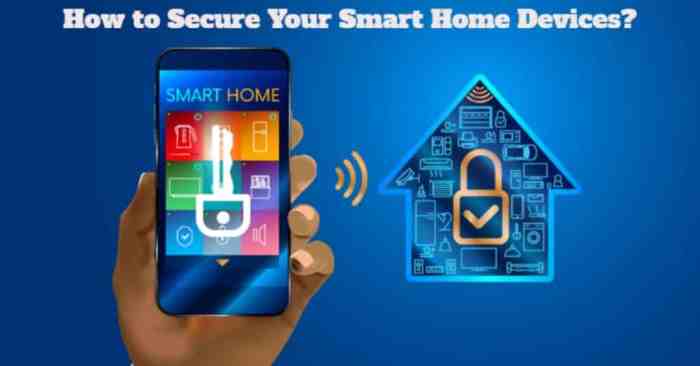
Securing smart home devices is crucial in today's digital age where cyber threats are becoming increasingly prevalent. Neglecting smart home security can lead to severe consequences and put both your privacy and safety at risk.
Potential Consequences of Neglecting Smart Home Security
- Unauthorized Access: Hackers can gain access to your smart devices, such as security cameras or smart locks, and monitor your activities or break into your home.
- Data Breaches: Personal information stored on smart devices, like passwords or credit card details, can be stolen and used for malicious purposes.
- Home Network Compromise: Once a smart device is compromised, hackers can use it as a gateway to access your entire home network, putting all connected devices at risk.
Real-Life Incidents of Unsecured Smart Devices Compromised
- In 2016, the Mirai botnet attacked insecure IoT devices, including smart cameras and DVRs, causing widespread internet outages for major websites like Twitter and Netflix.
- A family in Oregon reported that their smart home devices, including thermostats and cameras, were hacked, leading to a stranger talking to their child through a camera.
- A security researcher demonstrated how vulnerabilities in smart light bulbs could be exploited to access a home network and launch attacks on other devices.
Best Practices for Securing Smart Homes
When it comes to securing your smart home, there are some basic security measures that you can take to protect your devices from cyber threats. One of the essential steps is to create strong and unique passwords for all your smart home devices.
Additionally, keeping your smart home firmware up to date is crucial to ensure that you have the latest security patches.
Creating Strong and Unique Passwords
It is important to create strong and unique passwords for each of your smart home devices to prevent unauthorized access. Here are some tips for creating secure passwords:
- Use a mix of uppercase and lowercase letters, numbers, and special characters.
- Avoid using easily guessable information like your birthday or pet's name.
- Consider using a password manager to generate and store complex passwords securely.
Importance of Keeping Smart Home Firmware Up to Date
Smart home firmware updates often include security patches that address vulnerabilities that could be exploited by cyber attackers. Here's why it's crucial to keep your smart home firmware up to date:
- Protects your devices from known security flaws.
- Ensures that your devices are running the latest security protocols.
- Helps to safeguard your personal data and privacy from potential breaches.
Network Security for Smart Homes
Network security plays a crucial role in safeguarding smart home devices from cyber threats. By securing your Wi-Fi network and utilizing virtual private networks (VPNs), you can enhance the overall security of your smart home.
Securing Wi-Fi Networks
Securing your Wi-Fi network is essential to prevent unauthorized access to your smart home devices. Here are some tips to help you secure your Wi-Fi network:
- Change the default username and password of your router to a strong, unique combination.
- Enable WPA2 or WPA3 encryption on your Wi-Fi network to protect your data from being intercepted.
- Disable SSID broadcast to make your network less visible to potential attackers.
- Regularly update your router's firmware to patch any vulnerabilities that could be exploited.
Virtual Private Networks (VPNs)
Virtual Private Networks (VPNs) can add an extra layer of security to your smart home by encrypting your internet connection and masking your IP address. Here's how VPNs can enhance smart home security:
- VPN encrypts your internet traffic, making it difficult for hackers to intercept and steal your data.
- By connecting to a VPN server, your IP address is hidden, providing anonymity and preventing tracking by cybercriminals.
- VPNs can bypass geo-restrictions on smart home devices, allowing you to access content from anywhere securely.
Implementing Multi-factor Authentication
Multi-factor authentication is an additional layer of security that requires users to provide more than one form of verification to access their smart home devices. This added step helps prevent unauthorized access and enhances the overall security of your smart home.
Setting up Multi-factor Authentication for Smart Home Devices
When setting up multi-factor authentication for your smart home devices, follow these steps:
- Choose a reliable multi-factor authentication app or service that is compatible with your devices.
- Enable multi-factor authentication in the settings of each smart home device that supports this feature.
- Link the multi-factor authentication app or service to your smart home devices by scanning the QR code or entering the provided code.
- Follow the prompts to verify your identity using the multi-factor authentication method, such as entering a code or using biometric data.
Benefits of Using Multi-factor Authentication
Implementing multi-factor authentication for your smart home devices offers several benefits:
- Enhanced security: By requiring multiple forms of verification, multi-factor authentication reduces the risk of unauthorized access to your smart home devices.
- Protection against phishing attacks: Multi-factor authentication helps protect against phishing attacks that attempt to steal your login credentials.
- Secure remote access: With multi-factor authentication in place, you can securely access your smart home devices from anywhere without compromising security.
- Peace of mind: Knowing that your smart home devices are protected by an additional layer of security can give you peace of mind and confidence in their safety.
Concluding Remarks
In conclusion, safeguarding your smart home from cyber threats requires vigilance and proactive measures. By implementing the best practices discussed, you can create a secure environment for your devices and protect your privacy and data. Stay informed and stay safe in the digital realm.
FAQ Compilation
How often should I update my smart home devices' firmware?
It's recommended to regularly check for firmware updates and install them promptly to ensure your devices have the latest security patches.
Can smart home devices be hacked remotely?
Yes, if not properly secured, smart home devices can be vulnerable to remote hacking attempts. Implementing strong security measures is essential.
What is multi-factor authentication and why is it important for smart homes?
Multi-factor authentication adds an extra layer of security by requiring multiple credentials for access, making it harder for unauthorized users to breach your devices.