
Exploring the realm of safeguarding smart home data from potential cyber threats in 2025, this guide delves into the evolving landscape of security measures and emerging technologies. With a focus on proactive protection strategies, readers will gain valuable insights on securing their smart homes effectively.
As we navigate through the intricacies of smart home security, it becomes imperative to understand the dynamic nature of threats and the significance of staying ahead of malicious actors in the digital realm.
Understanding Smart Home Security Risks
Smart home devices have become increasingly popular, offering convenience and connectivity. However, with this convenience comes the risk of security vulnerabilities that hackers can exploit. Understanding these risks is crucial to protecting your smart home data.Potential vulnerabilities in smart home devices include insecure Wi-Fi networks, lack of encryption, unsecured cloud storage, and outdated software.
These weaknesses can provide entry points for hackers to access sensitive information or take control of devices within your smart home network.
Common Methods Hackers May Use to Exploit Smart Home Data
- Phishing attacks: Sending deceptive emails or messages to trick users into revealing sensitive information like passwords.
- Brute force attacks: Using automated tools to repeatedly guess passwords until the correct one is found.
- IoT botnets: Hijacking multiple smart devices to launch large-scale attacks, such as Distributed Denial of Service (DDoS) attacks.
- Man-in-the-middle attacks: Intercepting communication between smart devices and the network to eavesdrop or manipulate data.
Examples of Past Smart Home Security Breaches
- In 2016, the Mirai botnet targeted insecure IoT devices, including smart home gadgets, to launch massive DDoS attacks on websites.
- A vulnerability in a popular smart lock in 2019 allowed hackers to unlock doors remotely, compromising home security.
- A baby monitor hack in 2020 exposed the dangers of unsecured cameras, as hackers gained access to live video feeds of homes.
Current Security Measures for Smart Homes
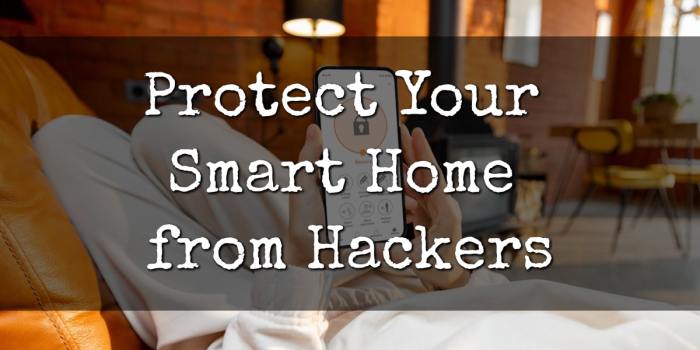
Smart home devices are equipped with various security protocols to safeguard data and privacy from potential cyber threats. One of the crucial aspects of smart home security is the implementation of encryption methods to protect sensitive information transmitted between devices and the cloud servers.
Encryption Methods for Smart Home Data
- End-to-End Encryption: This method ensures that data is encrypted on the device itself before being transmitted, and can only be decrypted by the intended recipient.
- Wi-Fi Protected Access (WPA): WPA protocols help secure wireless networks by encrypting data transmitted between devices and the router, preventing unauthorized access.
- Transport Layer Security (TLS): TLS protocols establish a secure connection between devices and servers, encrypting data during transmission to prevent interception.
Authentication Mechanisms in Smart Homes
- Multi-Factor Authentication (MFA): MFA requires users to provide multiple forms of verification, such as passwords, biometrics, or security tokens, to access smart home devices.
- Biometric Authentication: Some smart home devices utilize biometric data, such as fingerprints or facial recognition, to ensure only authorized users can control them.
- Device Pairing: Pairing devices with unique identifiers or codes adds an extra layer of security, ensuring that only trusted devices can communicate with each other.
Emerging Technologies for Enhanced Smart Home Security
In order to bolster smart home security in 2025 and beyond, emerging technologies play a crucial role. Let's explore some of these innovative solutions that can enhance the protection of smart home data.
Artificial Intelligence (AI) for Smart Home Security
Artificial Intelligence (AI) has the potential to revolutionize smart home security by enabling proactive threat detection and response. AI algorithms can analyze patterns in data to identify anomalies and potential security breaches in real-time. By continuously learning from new data, AI-powered security systems can adapt and improve their ability to protect smart home devices from evolving cyber threats.
Blockchain Technology for Secure Smart Home Data
Blockchain technology offers a decentralized and tamper-proof system for securing smart home data. By storing data in a distributed ledger, blockchain ensures transparency, integrity, and immutability of information. This can prevent unauthorized access or manipulation of sensitive data within smart home networks.
Implementing blockchain in smart home security protocols can enhance data privacy and reduce the risk of cyber attacks.
Role of IoT Security Frameworks in Safeguarding Smart Home Devices
IoT security frameworks are essential for safeguarding smart home devices against cyber threats. These frameworks provide guidelines and best practices for implementing security measures in IoT devices, including smart home appliances. By following established security standards, smart home manufacturers can ensure that their devices are built with security in mind, reducing vulnerabilities and enhancing overall protection against hackers.
Biometric Authentication for Smart Home Devices
Biometric authentication, such as fingerprint or facial recognition, can add an extra layer of security to smart home devices. By using unique biological characteristics to verify the identity of users, biometric authentication can prevent unauthorized access to smart home systems.
This technology can enhance the overall security of smart homes by ensuring that only authorized individuals can control and access connected devices.
Best Practices for Securing Smart Home Data

Securing smart home data is crucial to protecting your privacy and preventing unauthorized access to your personal information. Follow these best practices to set up a secure smart home network, create strong passwords, manage access control, and monitor for unusual activity.
Setting Up a Secure Smart Home Network
When setting up your smart home network, follow these steps to enhance security:
- Change default usernames and passwords for all smart devices.
- Enable encryption on your Wi-Fi network to prevent eavesdropping.
- Use a firewall to block unauthorized access to your network.
- Regularly update firmware on all smart devices to patch security vulnerabilities.
Creating Strong Passwords and Managing Access Control
Protect your smart home data with these tips for creating strong passwords and managing access control:
- Use unique, complex passwords for each smart device and account.
- Enable two-factor authentication for an added layer of security.
- Limit access to smart devices by creating separate user accounts with restricted permissions.
- Regularly review and revoke access for any unnecessary users or devices.
Monitoring and Detecting Unusual Activity
Stay vigilant and monitor your smart home system for any signs of unusual activity:
- Set up alerts for unusual logins or changes to device settings.
- Regularly check device logs for any suspicious activity.
- Use security cameras and motion sensors to monitor your home for intruders.
- Consider using a smart home security system with real-time monitoring and alerts.
Final Review
In conclusion, the importance of fortifying smart homes against cyber threats cannot be overstated. By implementing the best practices and leveraging cutting-edge technologies, individuals can ensure the safety and privacy of their smart home data well into the future.
FAQ Guide
How can I strengthen the security of my smart home network?
To enhance the security of your smart home network, ensure you regularly update your devices' firmware, use strong and unique passwords, and enable two-factor authentication whenever possible.
What role does AI play in enhancing smart home security?
AI technologies can be utilized to analyze patterns of behavior in smart home devices, helping to detect anomalies and potential security breaches in real-time.
Why is biometric authentication considered a secure option for smart home devices?
Biometric authentication, such as fingerprint scanning or facial recognition, provides a high level of security as it relies on unique physical characteristics of individuals for access control.