
Exploring the seamless integration of smart homes with solar and battery backup systems, this guide offers a detailed look at the benefits and considerations involved. Dive into the world of sustainable living and cutting-edge technology as we navigate through the intricacies of this innovative setup.
From energy efficiency to environmental impact, this topic delves into the future of home automation and renewable energy sources, providing valuable insights for homeowners looking to embrace a greener lifestyle.
Overview of Integrating Smart Homes with Solar and Battery Backup System
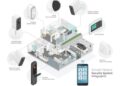
Smart homes are residences equipped with a range of devices and systems that automate tasks and provide enhanced control over various aspects of daily life. These homes utilize technology to improve energy efficiency, security, comfort, and convenience for residents.Integrating solar panels with a smart home system offers numerous benefits.
Solar energy is a renewable and sustainable source of power that can significantly reduce electricity bills and carbon footprint. By harnessing the power of the sun, homeowners can generate their electricity and become less reliant on traditional energy sources.Battery backup systems play a crucial role in conjunction with solar energy for smart homes.
These systems store excess energy generated by solar panels for later use, providing a reliable power source during outages or when solar production is low. Battery backups ensure uninterrupted power supply, enhancing the resilience and self-sufficiency of smart homes.
Design Considerations for Integrating Solar and Battery Backup Systems in Smart Homes
When integrating solar and battery backup systems in smart homes, there are several key design considerations to keep in mind to ensure optimal performance and efficiency.Determining the energy requirements of a smart home is the first step in the design process.
This involves assessing the energy consumption patterns of the household, including peak usage times and overall energy needs. By understanding how much energy is required, you can size your solar and battery backup systems accordingly to meet these demands.
Selection Criteria for Solar Panels Suitable for Smart Homes
When selecting solar panels for a smart home, it is important to consider factors such as efficiency, durability, and aesthetics. High-efficiency solar panels can generate more electricity in limited space, making them ideal for smart homes with limited roof space.
Additionally, durable panels with a long lifespan can provide reliable energy generation for years to come. Lastly, the aesthetic appeal of the solar panels should complement the overall design of the home.
Choosing the Right Battery Backup System for a Smart Home with Solar Panels
The selection of the battery backup system is crucial for storing excess solar energy generated during the day for use during peak demand periods or at night. When choosing a battery backup system for a smart home, factors such as capacity, efficiency, and cycle life should be taken into account.
Opt for a battery system that can store enough energy to power your home during periods of low solar generation and has a high cycle life to ensure long-term reliability.
Installation Process for Solar Panels and Battery Backup Systems in Smart Homes
Installing solar panels and battery backup systems in smart homes involves a series of steps to ensure proper functioning and integration with the existing electrical system of the home.
Installing Solar Panels on a Smart Home Rooftop
- Choose the right location on the rooftop that receives maximum sunlight throughout the day.
- Securely mount the solar panels on the rooftop using appropriate mounting hardware.
- Connect the solar panels in series or parallel to achieve the desired voltage and current output.
- Install a solar inverter to convert the DC power generated by the solar panels into AC power for household use.
- Connect the solar inverter to the main electrical panel of the home to feed excess power back into the grid or store it in a battery backup system.
Integrating Solar Panels with the Existing Electrical System
- Ensure proper grounding and wiring of the solar panels to prevent electrical hazards.
- Install a bi-directional meter to monitor the flow of electricity between the grid, solar panels, and battery backup system.
- Program the smart home system to optimize the use of solar power based on energy consumption patterns and weather conditions.
- Regularly monitor the performance of the solar panels to ensure maximum efficiency and output.
Installing a Battery Backup System for a Smart Home
- Select the right size and type of battery based on the energy requirements of the home and the duration of backup needed.
- Install the battery backup system in a well-ventilated area away from direct sunlight or extreme temperatures.
- Connect the battery backup system to the solar inverter and electrical panel of the home using appropriate wiring and connectors.
- Configure the smart home system to prioritize the use of stored energy from the battery backup system during peak demand or power outages.
- Regularly test and maintain the battery backup system to ensure its reliability and performance during emergencies.
Monitoring and Managing Energy Usage in Smart Homes with Solar and Battery Backup Systems
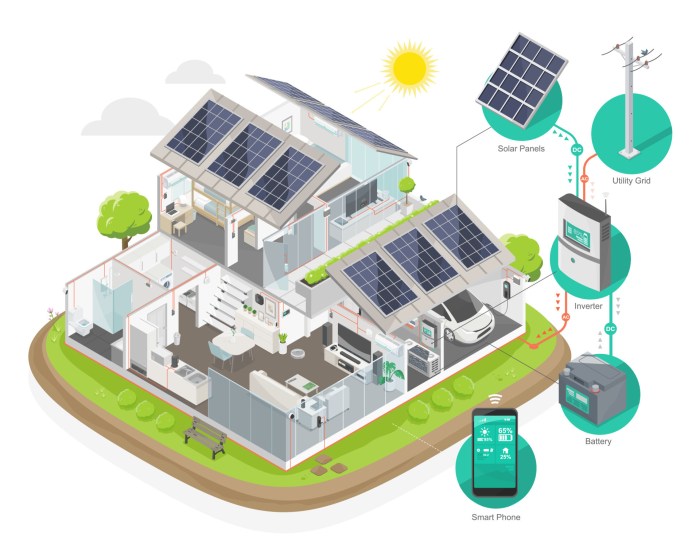
In a smart home equipped with solar panels and battery backup systems, monitoring energy consumption is crucial for optimizing energy efficiency and reducing utility costs. By keeping track of how energy is used throughout the day, homeowners can make informed decisions to minimize wastage and maximize the benefits of their renewable energy systems.
Importance of Monitoring Energy Consumption
- Regular monitoring helps identify energy-hungry appliances or devices that may be consuming more power than necessary.
- Tracking energy usage patterns allows for adjustments in daily routines or settings to reduce overall consumption.
- Real-time monitoring provides insights into peak usage times, enabling better management of energy storage and distribution.
Optimizing Energy Usage with Smart Home Automation Systems
- Smart home automation systems can automatically adjust lighting, temperature, and appliance settings based on energy availability and consumption data.
- Integration with smart meters and sensors enables real-time feedback on energy usage, allowing for immediate adjustments for efficiency.
- Programmable schedules and energy-saving modes can be set to optimize energy usage during peak solar generation hours or times of high utility rates.
Tips for Managing Energy Storage and Usage Efficiently
- Utilize energy monitoring apps or devices to track energy production from solar panels and monitor battery storage levels.
- Set priorities for energy usage during power outages to ensure essential devices are powered by the battery backup system.
- Implement energy management strategies such as load shifting to use stored energy during peak demand periods or when utility rates are high.
Ending Remarks
In conclusion, the integration of smart homes with solar and battery backup systems presents a promising avenue towards sustainable living. By harnessing the power of renewable energy and cutting-edge technology, homeowners can create efficient, eco-friendly living spaces that pave the way for a brighter future.
FAQ Guide
How can smart homes benefit from integrating solar panels?
Smart homes can benefit from integrating solar panels by reducing energy costs, promoting sustainability, and providing a reliable source of renewable energy.
What are the key considerations when choosing a battery backup system for a smart home?
When choosing a battery backup system for a smart home, key considerations include storage capacity, compatibility with solar panels, and the ability to provide backup power during outages.
How can smart home automation systems optimize energy usage?
Smart home automation systems can optimize energy usage by monitoring consumption patterns, adjusting settings based on usage data, and maximizing efficiency through smart scheduling and control.