
Embark on a journey through the world of smart home automation and security with The Ultimate Guide. Discover how these technologies can revolutionize your living space and enhance convenience and safety.
Smart Home Automation
Smart home automation refers to the use of technology to control and automate various devices and systems within a household. This allows for remote monitoring and management of functions such as lighting, heating, security, and entertainment.
Key Benefits of Implementing Smart Home Automation
- Convenience: With smart home automation, you can control and monitor your home from anywhere using a smartphone or voice commands.
- Energy Efficiency: Automated systems can help reduce energy consumption by optimizing usage based on real-time data and user preferences.
- Enhanced Security: Smart home devices like cameras, sensors, and smart locks provide added security and peace of mind for homeowners.
- Comfort and Customization: Automation allows for personalized settings and routines tailored to individual preferences and schedules.
Popular Devices and Systems Used in Smart Home Automation
- Smart Thermostats: Devices like Nest and Ecobee can learn your habits and adjust the temperature accordingly, saving energy and enhancing comfort.
- Smart Lighting: Systems like Philips Hue and Lutron allow for remote control of lighting settings, schedules, and ambiance.
- Smart Security Cameras: Brands like Arlo and Ring offer high-definition cameras with motion detection and two-way audio for enhanced home security.
- Voice Assistants: Virtual assistants such as Amazon Alexa and Google Assistant enable voice control of smart devices and integration with other services.
Examples of How Smart Home Automation Can Enhance Daily Life
- Automated Lighting: Set up schedules for lights to turn on and off automatically, creating a welcoming environment and saving energy.
- Smart Security: Receive instant alerts on your phone when motion is detected or someone rings the doorbell, enhancing home security and monitoring.
- Temperature Control: Adjust the thermostat remotely to ensure your home is always at the perfect temperature when you arrive.
- Entertainment Integration: Sync smart speakers with your TV and streaming services for a seamless entertainment experience throughout your home.
Smart Home Security Systems
Integrating security systems into smart homes is crucial for ensuring the safety and protection of both your property and your loved ones. With the advancement of technology, smart home security systems offer a wide range of features to enhance security and provide peace of mind.
Types of Smart Home Security Systems
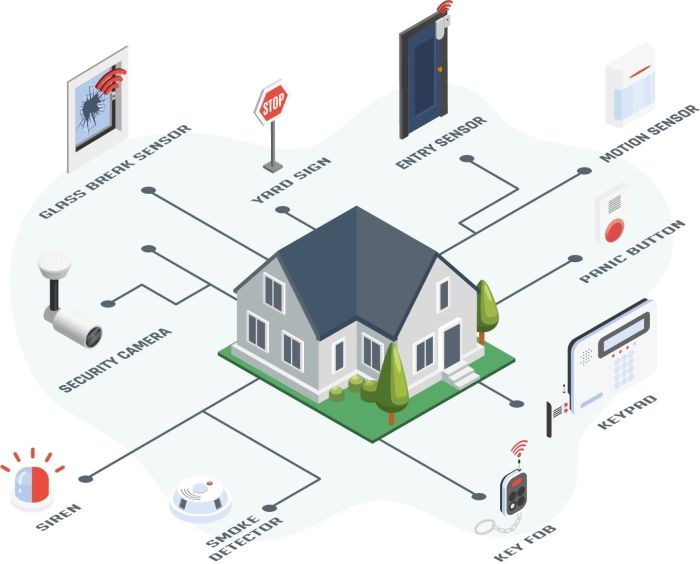
- Smart Cameras: These cameras provide real-time monitoring of your home and can send alerts to your smartphone in case of any suspicious activity.
- Smart Door Locks: These locks offer keyless entry options and can be controlled remotely, allowing you to monitor who enters your home.
- Smart Alarms: These alarms can detect intrusion attempts and send immediate alerts to your phone or to a monitoring service.
- Smart Sensors: These sensors can detect motion, smoke, carbon monoxide, and even water leaks, providing comprehensive protection for your home.
Tips for Choosing the Right Security System
- Assess Your Needs: Consider the size of your home, your budget, and the level of security you require before choosing a security system.
- Research Different Brands: Look into reputable brands that offer reliable security systems with good customer reviews.
- Consider Integration: Choose a security system that can be easily integrated with other smart home devices for seamless control.
- Professional Monitoring: Opt for a security system that offers professional monitoring services for added peace of mind.
Benefits of Smart Home Security Systems
Smart home security systems play a vital role in preventing break-ins and enhancing safety. With features like remote monitoring, real-time alerts, and integration with other smart devices, these systems can provide a layer of protection that traditional security systems cannot match.
By deterring intruders and providing early warning of potential threats, smart home security systems give homeowners the confidence that their homes are secure, even when they are away.
Integration of Smart Devices
Integrating various smart devices within a smart home ecosystem is crucial for maximizing automation capabilities and enhancing convenience for users.
Significance of Device Integration
When smart devices are integrated, they can communicate with each other and work together seamlessly to create a truly interconnected smart home experience. This allows for centralized control and automation of various functions, such as lighting, security, heating, and entertainment.
Challenges and Solutions
One common challenge in integrating smart devices is compatibility issues between different brands and protocols. This can lead to communication breakdowns and hinder the overall functionality of the smart home system. To address this, the use of universal smart home hubs or platforms that support multiple protocols can help bridge the gap and ensure smooth integration.
Common Protocols for Device Communication
- Wi-Fi: A popular protocol for connecting smart devices to a home network, offering high-speed data transfer and widespread compatibility.
- Z-Wave: A wireless protocol designed for low-power smart devices, providing reliable communication and secure connections.
- Zigbee: Another low-power wireless protocol commonly used in smart home devices, known for its mesh networking capabilities and energy efficiency.
Automation Scenarios through Integration
- Automatic lighting control based on motion sensors or time schedules.
- Integration of smart locks with security cameras for enhanced monitoring and access control.
- Temperature adjustment based on occupancy sensors or weather forecasts.
Voice Control and AI Assistants
Voice control and AI assistants play a crucial role in smart home automation by allowing users to control various devices and systems using their voice commands. These technologies have significantly enhanced the convenience and efficiency of managing smart homes.
Popular AI Assistants Comparison
- Amazon Alexa: Known for its extensive compatibility with smart home devices, Alexa can control a wide range of products and services, making it a popular choice among users.
- Google Assistant: With advanced natural language processing capabilities, Google Assistant offers seamless integration with Google services and a growing list of smart home devices.
- Apple Siri: Siri is deeply integrated with Apple's ecosystem, providing users with voice control over Apple HomeKit-enabled devices and services.
Tips for Optimizing Voice Control
- Ensure clear and concise voice commands to minimize errors and enhance accuracy.
- Properly name and organize your smart devices for easier recognition by AI assistants.
- Regularly update the firmware and software of your devices to ensure compatibility and optimal performance.
Future Potential of AI in Smart Home Automation
AI has the potential to revolutionize smart home automation by continuously learning user preferences and habits to provide personalized experiences. As AI technology advances, we can expect more sophisticated automation capabilities, predictive maintenance, and enhanced security features in smart homes.
Energy Efficiency and Sustainability
Smart home automation plays a significant role in promoting energy efficiency and sustainability. By utilizing smart devices and integrated systems, homeowners can reduce their energy consumption, lower utility bills, and minimize their environmental impact.
Smart Devices for Energy Efficiency
- Smart thermostats: These devices regulate heating and cooling based on occupancy and preferences, optimizing energy usage.
- Smart lighting: LED bulbs, motion sensors, and scheduling features help in reducing unnecessary lighting and electricity consumption.
- Smart appliances: Energy-efficient refrigerators, washing machines, and dishwashers can save energy and water resources.
Environmental Benefits of Sustainable Practices
Smart homes that incorporate sustainable practices not only benefit homeowners but also contribute to environmental conservation. By reducing energy consumption and waste, smart homes help in reducing carbon emissions and promoting a greener lifestyle.
Tips for a Sustainable Smart Home Environment
- Use renewable energy sources like solar panels to power your home.
- Set up energy-efficient devices and appliances to minimize electricity usage.
- Implement smart irrigation systems to conserve water in your garden or lawn.
- Monitor and analyze your energy consumption through smart home automation platforms to make informed decisions.
Data Privacy and Security
In the realm of smart home automation, data privacy and security are paramount to safeguarding personal information and preventing unauthorized access to your smart devices. Ensuring that your smart home network is secure is crucial in protecting your privacy and maintaining the integrity of your data.
Importance of Data Privacy and Security
One of the key aspects of smart home automation is the collection and utilization of personal data to enhance the functionality of smart devices. However, this also poses a risk of potential data breaches and privacy violations if not adequately protected.
Potential Risks
- Unauthorized access to personal data stored on smart devices
- Data breaches leading to exposure of sensitive information
- Hacking of smart home systems for malicious purposes
Safeguarding Personal Information
It is essential to take proactive measures to safeguard personal information within a smart home network:
- Secure your Wi-Fi network with a strong password and encryption
- Regularly update firmware and software on smart devices
- Use two-factor authentication for added security
- Disable unused features on smart devices to minimize vulnerabilities
Best Practices for Data Privacy
Implementing best practices can help ensure data privacy in a smart home setup:
- Review privacy settings on smart devices and adjust as needed
- Limit the sharing of personal data with third-party services
- Monitor device activity for any unusual behavior
- Regularly audit and assess the security of your smart home network
Last Recap
In conclusion, The Ultimate Guide to Smart Home Automation and Security has shed light on the endless possibilities and benefits these innovations bring to our homes. From energy efficiency to data privacy, the future of smart homes is bright and promising.
Detailed FAQs
How can smart home automation improve daily life?
Smart home automation can simplify tasks, increase efficiency, and enhance convenience by allowing you to control various devices and systems with ease.
What are some popular smart home security systems?
Popular smart home security systems include Ring Alarm, Nest Secure, and SimpliSafe, offering various features for protecting your home.
How can I ensure data privacy in a smart home network?
To safeguard your personal information, ensure your devices are updated with the latest security patches, use strong passwords, and regularly monitor your network for any unusual activity.
Why is energy efficiency important in a smart home?
Energy efficiency not only helps reduce utility bills but also minimizes environmental impact by conserving resources and promoting sustainability.